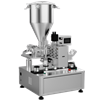
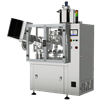
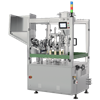
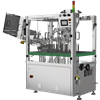
The tube-filling process involves accurately dispensing the product into tubes and then sealing them to ensure product integrity and prevent contamination. Most machines also include a closing mechanism with either a heat seal and trim method or a fold and crimp for metal tubes.
Tube fillers and sealers come in different configurations, including benchtop or semi-automatic and fully automated packaging lines dependent on customer needs and budget. They are designed to provide accurate, efficient, and consistent filling of tubes, to minimize waste and ensure the tube contents are properly packaged for distribution or retail sale.
Types of Seals:
Tube fillers can use various sealing methods to create seals to secure the contents of the tube. The most common methods are noted below.
Impulse:
An impulse seal could be a low-cost option for tube sealing. This method applies heat and pressure to create the seal on thermoplastic materials. Impulse seals are lightweight and portable. However, this is typically used for lab testing or proof of concept and does not produce an market ready attractive seal.
Ultrasonic:
This sealing method uses ultrasonic waves to create a strong bond between the tube material, insuring a tight seal without the need for heat. Ultrasonic sealing works well for plastics but does not the best process for aluminum or laminated tubes.
Hot Air:
In hot air sealing, hot air is directed onto the tube material to soften it, allowing for effective sealing when pressure is applied. This method is your most common and is typically used on various types of materials. This method is used in both semi-automatic machines and fully automated tube filling and sealing lines.
Adding a tube filler to your operation increases your efficiency and ensures precise and consistent filling and dependable sealing when it comes to filling plastic or metal tubes. By automating your filling process your operation increase or improve productivity, reduce labor and filling errors, resulting in cost savings and profitability. Additionally, quality tube filling equipment helps maintain product integrity through proper sealing, enhancing product quality and presentation.